The best sunglasses for driving in Saudi Arabia: a practical guide
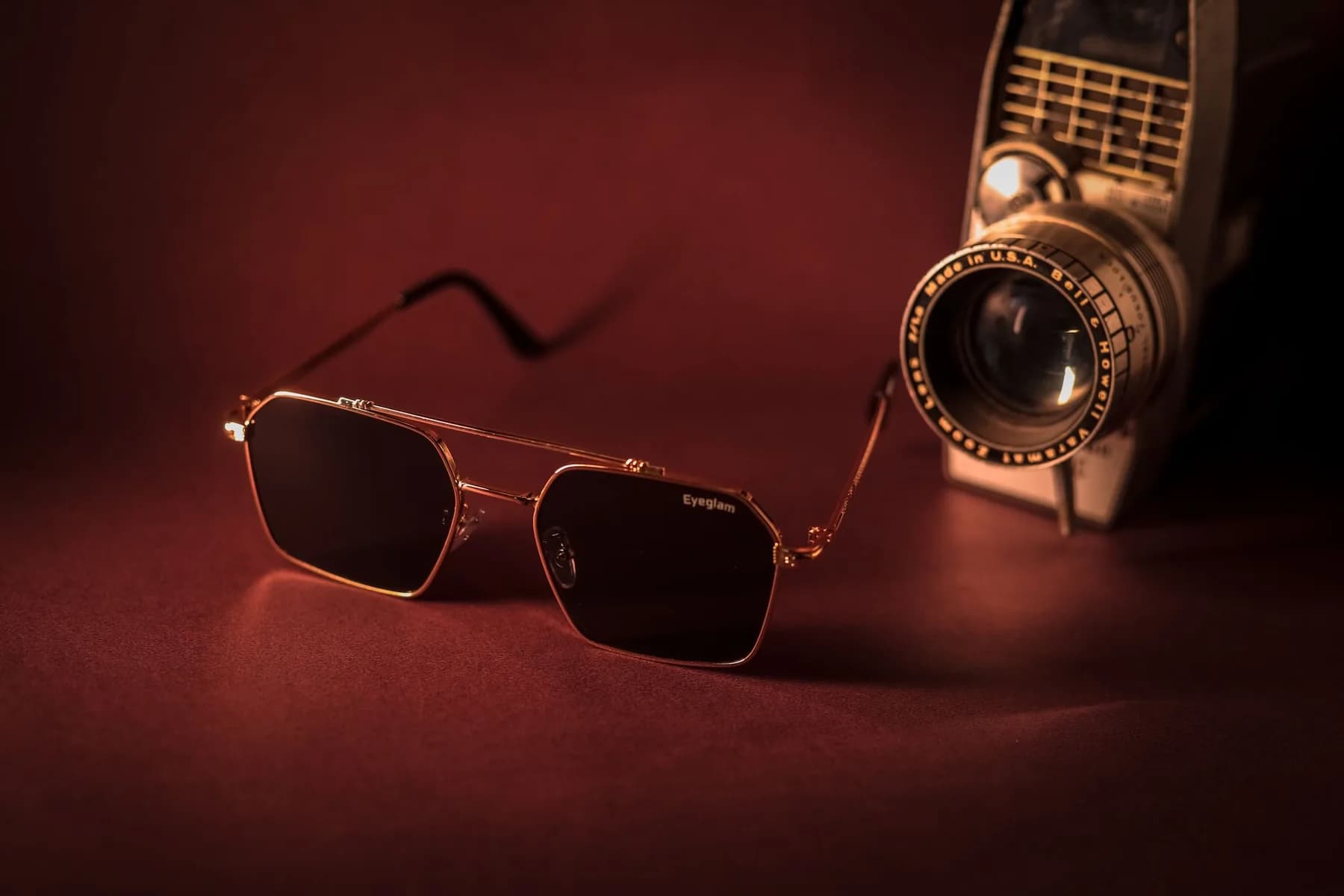
Driving in Saudi Arabia often means long roads, a strong sun, and glare bouncing off the asphalt and other cars. The right sunglasses don't just ease your eyes — they help you spot hazards sooner and cut fatigue on long trips. But not every pair suits driving, and some choices do more harm than good.
What actually matters in driving sunglasses
- Full UV400 protection — non-negotiable for long drives under the sun.
- Polarization: cuts the glare reflected off asphalt and car hoods in daylight, easing the eyes and clearing the view.
- A suitable tint category (usually category 3): dark enough for daytime sun, without going so dark it hurts vision in tunnels or shade.
- A comfortable frame with temples that aren't too wide, so they don't block your side vision.
The best lens color for driving
Gray and brown are the best choices for driving. Gray keeps colors true and lowers brightness evenly, which is restful in strong sun. Brown adds a little contrast, making road edges and traffic signs stand out. Avoid very dark or heavily mirrored tints in changing light, and avoid light fashion tints that aren't enough for midday sun.
Polarization: when it helps, and one caveat
Polarization is a gift for daytime driving because it breaks the harsh glare reflected off shiny surfaces — especially at dawn and dusk on east–west roads where glare peaks. The only caveat: it can make some digital dashboard or phone screens harder to read from certain angles, so try the glasses against your car's screen before relying on them.
Day, dusk, and night
In broad daylight, a polarized gray or brown lens is ideal. At dawn and dusk, glare peaks on long roads, and that's where polarization helps most. At night, never drive in sunglasses — they reduce the light reaching your eyes and raise the danger instead of helping.
Yellow "night-driving" glasses are widely sold with claims of improving vision in the dark, but the evidence doesn't support that; the image can look deceptively clearer while less light actually reaches your eyes. The better option at night is a clean clear lens — ideally with an anti-reflective coating — not a tinted one.
A quick checklist before you buy
- Confirm UV400 protection explicitly.
- Choose gray or brown, ideally polarized for daytime driving.
- Try reading your dashboard screen through the lens before buying.
- Make sure the frame's temples don't block your side vision.
- Keep a clear pair for night driving instead of yellow lenses.
The right driving sunglasses are an investment in your safety and comfort on the road. At Veluna, every frame pairs with fully protective lenses and considered tints suited to Saudi roads and sun. The first collection is in preparation, and pre-registering gives you priority and the founders' discount.
Frequently asked
Are polarized sunglasses good for driving?+
Yes for daytime driving — they noticeably cut reflected glare. The only caveat is that they can make some digital screens harder to see from certain angles, so try them first.
What lens color is best for driving?+
Gray and brown. Gray keeps colors natural and lowers brightness evenly, while brown adds contrast that makes road edges and signs stand out.
Do yellow night-driving glasses work?+
There's no strong evidence they improve night vision, and they can reduce the light reaching your eyes. A clean clear lens — ideally anti-reflective — is the better choice at night.
Can I drive at night with sunglasses?+
No. Sunglasses reduce the light your eyes need in the dark and raise the driving risk, so take them off at night.