Light sensitivity: why brightness hurts, and what actually helps
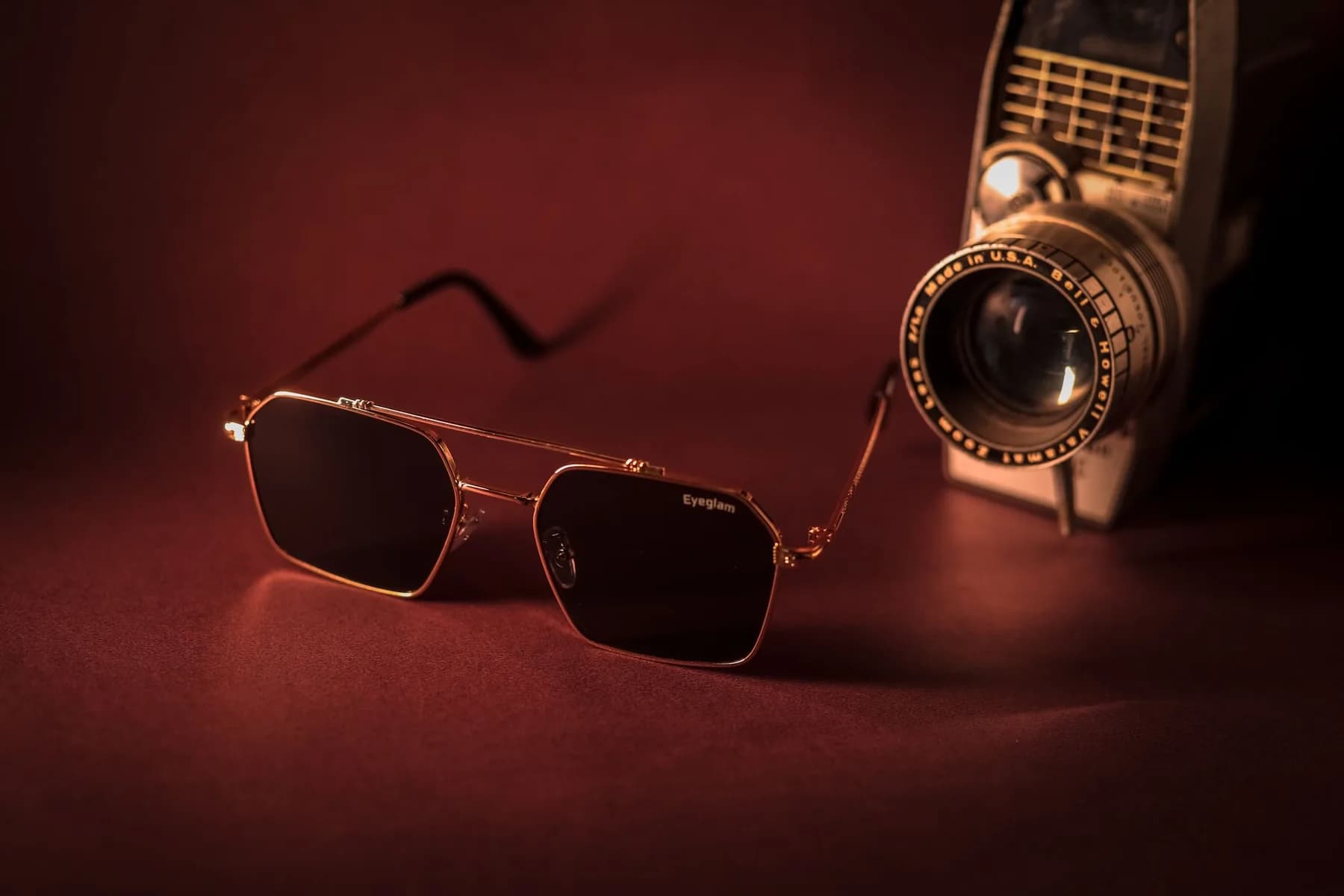
Light sensitivity — photophobia, in clinical language — is not a disease in itself but a symptom: discomfort, pain, or the urge to squeeze your eyes shut at a level of light that everyone around you finds perfectly ordinary. For some people it is a mild nuisance at midday. For others it means closed curtains, screen brightness at its lowest setting, sunglasses for daytime driving that then stay on after they walk indoors. The difference between the two is not willpower. The light has not changed; what makes it painful is usually something else happening in the eye or along the pain pathway in the head. The trouble is that most people respond in one way only: avoid light, add darkness. That soothes the moment, but over time it leaves the eyes less able to tolerate normal brightness, and the circle tightens. This article covers where the sensitivity comes from, when it is a sign that needs urgent attention, what eyewear can and cannot do about it, and how to set up lighting and screens so you can get through a comfortable day without shutting yourself in the dark.
Why does light hurt in the first place?
The eye is built to handle a wide range of brightness: the pupil narrows and widens, and the retina adapts within minutes. But the sensation of pain from light does not come from the retina alone — it also travels along the nerve that carries feeling from the eye surface and its surroundings to the brain, the same nerve involved in migraine pain. That is why light sensitivity accompanies two quite different situations: a problem on the surface of the eye itself, or a condition in the head that in principle has nothing to do with the eye. In the first, the surface is irritated, dry or inflamed, so every bright light is one more stimulus on an already tired surface. In the second, the pain pathway itself is over-responsive and reports ordinary input as painful. There are simple mechanical causes too: a pupil dilated by examination drops cannot cut down incoming light, a pale iris transmits more light than a dark one, and eyes that have spent hours in a dim room then step straight into the sun have had no chance to adapt. Working out which of these applies to you is what determines the fix, because sunglasses will not treat dryness or migraine, and lubricating drops will not help someone whose sensitivity comes from inflammation inside the eye.
- Dry eye: the most common cause and the most overlooked, usually alongside burning, grittiness and vision that keeps blurring and clearing.
- Migraine: sensitivity that precedes or accompanies an attack and eases between attacks.
- A corneal scratch or inflammation, or conjunctivitis: new sensitivity with redness, watering and a foreign-body sensation.
- Internal inflammation such as iritis: deep pain with severe sensitivity and redness around the cornea — an urgent situation.
- Dilating drops after an eye examination, whose effect wears off within hours.
- The period after eye surgery or vision correction, where some sensitivity is expected and temporary.
- Concussion or head injury, and some medications known to increase light sensitivity.
- An uncorrected refractive error or an out-of-date prescription: the eyes strain and squint against light to make up for missing clarity.
When is light sensitivity a sign that should not wait?
Most light sensitivity is a nuisance rather than a danger, tied to dryness, strain or a known migraine pattern. But there is a very different picture that must be recognised quickly: severe sensitivity that started suddenly, with real pain inside the eye rather than surface discomfort, redness concentrated around the cornea, and perhaps a drop in clarity of vision. That combination suggests possible internal inflammation, a corneal infection, or something else needing a diagnosis the same day — and delay there is not simply enduring pain, it can cost part of your sight. The same applies to sensitivity that appears after a blow to the eye or a foreign body entering it, and to contact lens wearers who develop redness along with sensitivity: that means removing the lens immediately and being seen rather than waiting for improvement. And if the sensitivity comes with an unusually severe headache, a stiff neck, fever, or neurological symptoms, the urgency is higher still, because the cause may lie entirely outside the eye. The practical rule is short: sensitivity alone can be investigated calmly; sensitivity with pain, redness or reduced vision is seen today.
- Pain inside the eye with severe sensitivity that began suddenly, especially with redness around the cornea.
- Any reduction in clarity of vision alongside the sensitivity.
- Sensitivity that began after an injury, a blow, a foreign body, or a chemical splash.
- Redness with sensitivity in a contact lens wearer: remove the lens at once and get it checked.
- An unusually severe headache, fever, a stiff neck, or neurological symptoms with the sensitivity.
What eyewear can do, and what it cannot
Eyewear is an excellent tool for managing light from outside and a poor tool for treating a cause from inside. Outdoors, a sun lens with full ultraviolet blocking and a tint category suited to the local sun is the foundation, and polarisation adds real relief because it breaks up the glare reflected off asphalt, glass and pale surfaces — often more painful than the light of the sky itself. Frame shape can matter as much as darkness: a slightly larger or wrapped frame stops light leaking in from the sides and above, and a brimmed hat cuts what arrives from overhead. Grey keeps colours natural, while brown lifts contrast a little and many people find it easier in strong light. Indoors, though, the rule inverts. Habitually wearing dark sunglasses inside eases the moment but teaches the eyes to adapt to a lower level of light, so ordinary lighting feels harsher the moment you take them off and your tolerance narrows step by step. The indoor answer is not darkness but less glare: an anti-reflective coating on prescription lenses cuts the distracting reflections from lamps and screens, an up-to-date prescription relieves eyes that were straining, and for sensitivity linked to migraine some clinicians use lenses with a light tint in the rose or amber range indoors, which many people find comfortable — though it remains a way of easing symptoms, to be discussed with a specialist, not a substitute for treating the cause.
- Outdoors: full ultraviolet blocking, an appropriate tint category, and polarisation if reflected glare is what bothers you.
- A slightly larger or wrapped frame to block light leaking in at the sides, with a brimmed hat completing the job.
- Indoors: an anti-reflective coating and an up-to-date prescription rather than dark lenses.
- Do not make indoor sunglasses a habit; over time they increase the sensitivity.
- Photochromic lenses suit anyone moving in and out often, keeping in mind they take a little time to clear and darken less behind a windscreen.
Lighting and screens: the part you can actually change
Many people who complain of light sensitivity spend the day in an environment that creates the problem from three directions: glare, harsh contrast, and dryness. Glare comes from a bare lamp in your field of view, a window behind your screen, or a glossy desk bouncing light upward. Harsh contrast is working on a bright screen in a dim room, forcing the eyes to adapt twice with every glance between the screen and its surroundings. Dryness comes from blinking less at a screen and from dry conditioned air, and dryness itself makes the surface more sensitive to light. Fixing all three usually costs nothing: set screen brightness close to the brightness of the room rather than far above or below it, light the room indirectly off the ceiling and walls instead of with bare lamps at eye level, place the screen at an angle to the window rather than facing it or backing onto it, and use a curtain that diffuses the light rather than blocking it completely. Add a few habits: a short break every twenty minutes looking into the distance, deliberate frequent blinking, lubricating drops before dryness bites rather than after, and warmer light in the evening. And if you work in an office whose lighting you do not control, screen position, brightness, a simple side shield, or even moving your desk a few metres can change the whole day.
- Match screen brightness to room lighting, and avoid a bright screen in a dark room.
- Use indirect lighting and keep bare bulbs out of your direct field of view.
- Set the screen at an angle to the window, and use a curtain that diffuses light instead of blocking it.
- Blink deliberately, take a short break every twenty minutes, and use lubricating drops in dry or air-conditioned spaces.
- Replace any lamp or screen that visibly flickers; repeated flicker is one of the strongest triggers of sensitivity.
Living with ongoing sensitivity without sliding into darkness
Anyone who has lived with light sensitivity for months knows the temptation: every step toward more darkness brings immediate relief. But total avoidance works against you over time, because the eyes and brain recalibrate what they treat as normal, and ordinary light becomes a stronger stimulus than it was. The better path rests on three things done together. The first is treating the cause rather than the symptom: dryness managed with regular lubrication and environmental changes, a prescription updated if it is out of date, migraine managed with a specialist, inflammation diagnosed and treated. The second is smart protection rather than blanket protection: strong tint outdoors where the light genuinely is intense, and glare reduction rather than dimming indoors. The third is a gradual return to normal light levels instead of one leap: a small increase every few days in room or screen brightness, a few more minutes in daylight, so your tolerance widens instead of narrowing. And if the sensitivity persists for months with no clear explanation, or it is disrupting your work, your driving and your sleep, that is not a matter of personal endurance — it is reason enough for a full examination, because identifying the source is what opens the door to the right treatment.
The bottom line is that light sensitivity is a message rather than an enemy: it tells you something needs attention, whether that is a dry surface, an out-of-date prescription, migraine, or inflammation that needs to be seen today. Handling it well combines three things: serious protection from light outdoors, reduced glare rather than reduced light indoors, and a calm search for the cause instead of settling for darkness. And the one shortcut worth remembering is the distinction: discomfort that eases with rest and lubrication can be investigated at your own pace, while new sensitivity with pain, redness or reduced vision never waits.
Frequently asked
Do sunglasses indoors help with light sensitivity?+
They soothe the moment but make things worse if they become a habit. Your eyes adapt to the light level you live in, so the longer you stay behind dark lenses indoors, the harsher ordinary lighting feels when you take them off. The indoor answer is less glare rather than less light: an anti-reflective coating on prescription lenses, indirect lighting, and screen brightness close to room brightness. Strong tint belongs outdoors, where the light really is intense. The exception is situations such as the period after eye surgery or an acute migraine attack — temporary phases defined by your specialist.
Which lens colour suits someone with light sensitivity?+
Outdoors, grey and brown are the practical choices: grey lowers brightness evenly and keeps colours natural, while brown lifts contrast slightly and many people find it easier in strong light. More important than colour are full ultraviolet blocking, a suitable tint category, and a frame that does not leak light at the sides. Indoors, some clinicians use a light tint in the rose or amber range for sensitivity linked to migraine, and many people find it comfortable. Treat it as a way of easing symptoms to discuss with a specialist, not as a treatment for the cause.
Does light sensitivity mean there is a disease in the eye?+
Not necessarily. The most common causes are simple: dry eye, screen strain, an out-of-date prescription, migraine, and the after-effect of dilating drops following an examination. But one picture needs to be seen the same day: severe sensitivity that started suddenly with pain inside the eye, redness around the cornea or reduced clarity of vision; sensitivity that appeared after an injury; or sensitivity with redness in a contact lens wearer. The rule: sensitivity alone can be investigated calmly, but with pain, redness or reduced vision it is checked immediately.
I have become bothered by light after long hours at a screen. Is that normal?+
It is very common, and the cause is usually not the light itself but dryness and glare. Blinking drops to less than half its normal rate at a screen, so the eye surface dries out and becomes more sensitive to every light, on top of glare from lamps and windows and the contrast between a bright screen and a dim room. Try matching screen brightness to the room, switching to indirect lighting, angling the screen away from the window, taking a short break every twenty minutes, and blinking deliberately with lubricating drops. If the discomfort persists for weeks after those changes, have your prescription checked — vision that is not accurately corrected is a frequent and overlooked cause.