Reading glasses and presbyopia: your practical guide after 40
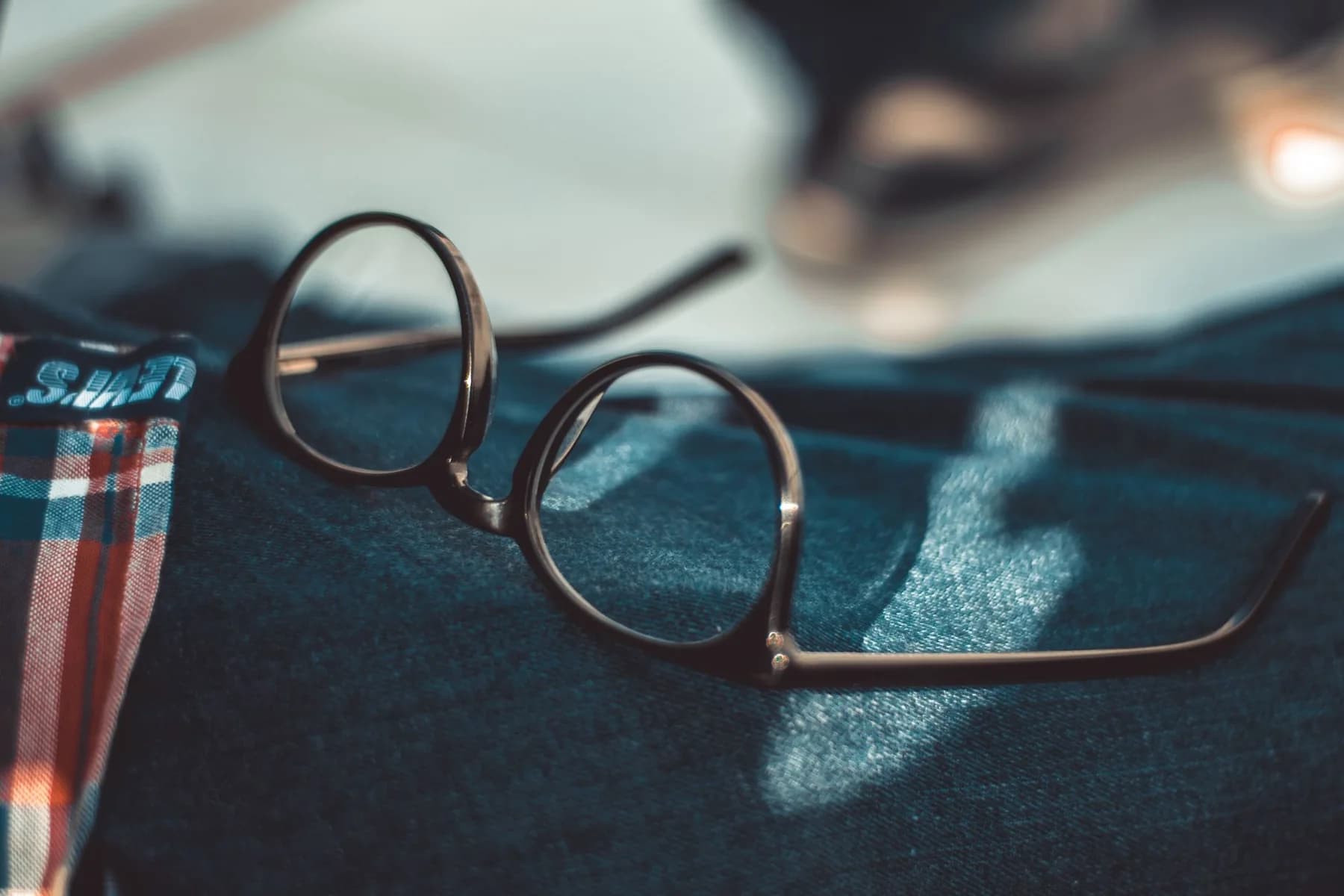
There comes a point — usually after 40 — when you notice the menu or your phone messages get clearer if you hold them a little farther away. This isn't a sudden weakness in your eyes; it's a natural change called presbyopia, and it happens to almost everyone with age. The good news is that it's easy to manage, and the right reading glasses restore your near vision and your eye comfort.
What is presbyopia?
Inside the eye is a flexible lens that changes shape to focus on close objects. Over the years this lens gradually loses some of its flexibility, so the eye struggles to focus on near text. That's why you find yourself holding a book or phone farther away, needing brighter light to read, or feeling strain and a mild headache soon after reading. It's a natural process unrelated to any general weakening of sight, and it affects even people who never needed glasses before.
Signs you need reading glasses
- You hold your phone or book farther from your eyes to see the text clearly.
- You need brighter light than usual to read comfortably.
- You feel eye strain, burning, or a mild headache after short reading.
- Small print blurs, especially in dim light or at the end of the day.
Ready-made vs prescription: which to choose?
Ready-made reading glasses are sold at a single strength for both eyes (like 1.0, 1.5, or 2.0). They're a quick, inexpensive fix for someone who needs mild, equal help in both eyes. But they assume your eyes are identical and your pupil centers are standard, which isn't true for everyone. Prescription glasses are made to a precise measurement for each eye and the distance between your pupils, and suit anyone whose eyes differ, who has astigmatism, or who wants longer comfort for extended daily use.
How to pick the right strength
Strength is measured in diopters, usually starting at +1.00 and rising gradually. The practical rule: start with the lowest strength that gives you clear reading at your natural distance, and don't overshoot thinking higher is better — too much power forces you to bring text closer and tires your eye. The need typically grows with age, so it's normal to move up a step every few years. It's always best to have a specialist set the strength precisely, especially if you read for hours or work at a computer.
Tips for eye comfort while reading
- Read in good light aimed at the page, not into your eyes.
- Use the 20-20-20 rule: every 20 minutes, look at something far away for 20 seconds.
- Keep a comfortable reading distance and don't bring text closer than needed.
- If you need both distance and near clarity, progressive lenses may suit you instead of swapping glasses.
Presbyopia is a natural part of aging, and dealing with it is nothing to worry about. Start with a simple eye check to set the right strength, and choose reading glasses with a comfortable frame and a clear lens. And if you notice a sudden change, a big difference between your eyes, or blurring in your distance vision too, see an eye specialist to be sure — the right glasses always start from the right measurement.
Frequently asked
At what age does presbyopia start?+
It's usually noticed between about 40 and 45, and may appear a little earlier or later from person to person. It's a natural change that affects almost everyone in time.
Are ready-made reading glasses safe to use?+
Yes for occasional use and for someone who needs mild, equal strength in both eyes. But if your eyes differ or you use them for long hours, a measured prescription pair is more accurate, more comfortable, and won't tire your eyes.
Is a stronger reading lens always better?+
No. Too much power forces you to hold text closer and strains the eye. Choose the lowest strength that gives clear reading at your natural distance, and increase it gradually as needed.
Does presbyopia mean my eyesight is failing?+
No. It's a natural loss of the eye lens's flexibility to focus up close, unrelated to any general weakness or disease. Even people with excellent sight all their lives go through it.