How to tell genuine sunglasses from fakes before you buy
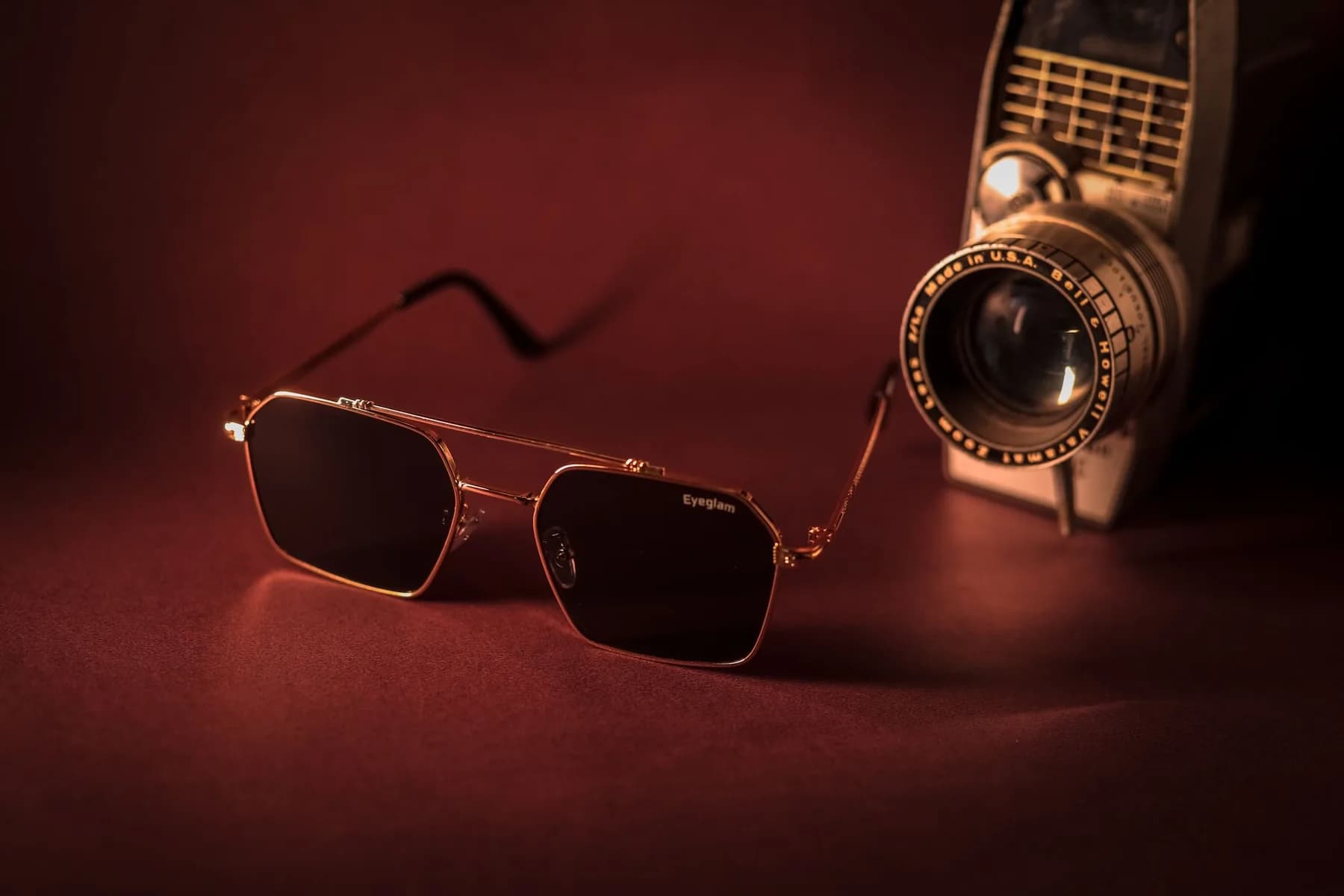
The market is full of sunglasses that look alike, but telling genuine from fake isn't always obvious at first glance. A counterfeit pair may save money today, yet it often lacks real UV protection — and that's what actually matters for your eyes.
Signs of a counterfeit pair
- No label or tag confirming UV400 protection.
- Cheap lenses that distort or ripple your view when you move the frame.
- Poorly finished hinges and screws, or a frame that feels too light and flimsy.
- Logo printing that's imprecise or off, and flimsy packaging.
- A price far below what's reasonable for the same “brand”.
How to verify before buying
Always ask for proof the lens blocks UV (UV400), and test it by looking through the lens at a straight line; if the line ripples, the lens is poor. Buy from a trusted seller that provides a warranty and an invoice — a warranty alone signals the seller's confidence in the product.
The key rule: protection isn't about price or looks — it's about lens quality and a trusted source. One authentic pair with real protection is better for your eyes than ten fakes.
Frequently asked
Does a high price always mean genuine?+
No. A high price alone is no proof; fakes can be sold at high prices too. Rely on the UV400 label, the warranty, and a trusted source.
Can fake sunglasses really harm your eyes?+
Yes, they can. A dark lens with no UV protection widens your pupils and lets in more harmful rays than wearing no glasses at all.