Sunglasses fit and size: finding your right fit and what the numbers on the frame mean
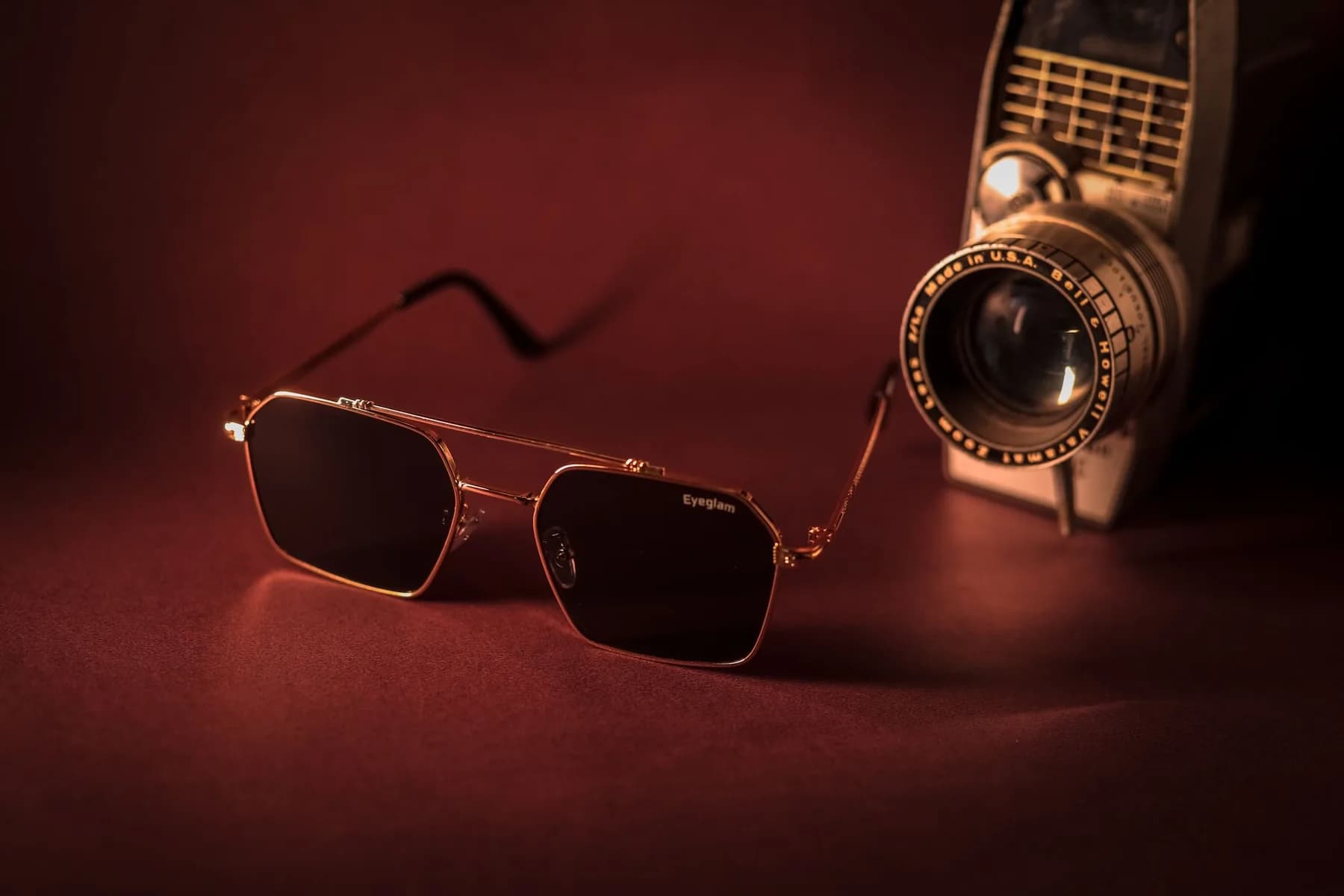
Many people choose sunglasses by shape and color, then are surprised when the pair slides down the nose, pinches at the temples, or leaves a gap that lets light in from the sides. The right size is what turns sunglasses from a good-looking object into a comfortable pair that actually protects you. A well-sized pair sits steady, spreads its weight gently, and covers your eyes enough to block the sun. This guide explains what the numbers printed on the frame mean, how to tell a size fits your face, and the signs that a pair is bigger or smaller than it should be.
Why fit matters as much as style
Shape decides your look, but size decides your comfort and protection. A pair that's too big keeps sliding, so you push it up every minute, and its lenses may brush your lashes or cheeks. Too small pinches the sides of your head, causing headaches and marks behind the ears, and leaves part of your eye exposed to the sun. Most important, large side gaps let ultraviolet rays in around the edges of the lens, cutting protection no matter how good the lens itself is. So size isn't a cosmetic detail — it's a basic condition for sunglasses to do their job.
The three numbers on your frame
If you look at the inside of a temple or the bridge, you'll usually find three numbers printed, like 52-18-140. These describe the frame's measurements in millimetres, and they're your key to knowing whether a new frame will fit you — by comparing it to one you already know is comfortable:
- First number: the width of one lens (usually 40–60 mm). The larger it is, the wider and bigger the frame sits on the face.
- Second number: the bridge width, the gap between the two lenses over the nose (usually 14–24 mm). This number decides how the pair rests on your nose.
- Third number: the temple length from the hinge to its tip behind the ear (usually 120–150 mm). Short temples pinch, while long ones can leave the pair unsteady.
The easiest practical approach: take the measurements of an old pair that fits you well, and look for numbers close to them in any new frame. A difference of a millimetre or two usually goes unnoticed, but five millimetres or more in lens or bridge width clearly changes how it feels.
Signs your sunglasses don't fit
- They slide down your nose whenever you look down or move, so you keep pushing them up.
- They leave a red mark or ache behind the ears or on the sides of the head after an hour or two.
- You see a clear gap between the lens and your face from the side, letting in light and dust.
- Your lashes touch the lens from the inside, or the lenses press on your cheeks when you smile.
- The pair tilts to one side and doesn't sit level on your face.
How to measure and choose the right size
Start from a pair you own and find comfortable, and read its three numbers as a reference. If there are no numbers, you can measure your face width temple-to-temple with a ruler in the mirror: a narrow face is under about 13 cm, medium is 13–15, and wide is over 15. Then keep the following in mind while trying frames:
- The frame's overall width should roughly match your face width; the outer corner of the frame shouldn't extend far beyond the edge of your face.
- The bridge should rest steadily on your nose without pinching and without sliding; if you have a low nose bridge, look for adjustable nose pads.
- The lens should roughly cover your brows at the top and reach below the eye socket at the bottom, blocking the sun without touching the cheek.
- The temples should sit straight over your ears and curve gently behind them without pressing.
- Shake your head down and side to side while trying them on; a good pair stays almost still.
Extra considerations: face, nose, and activity
People with wider faces are more comfortable in wider frames with flexible temples, while smaller faces suit smaller frames so the pair doesn't look oversized or slip. Anyone with a low nose bridge — which is common — may find glasses slide or touch the cheek; the fix is a frame with adjustable nose pads or one designed for a low bridge. If you'll use the pair for sport, long drives, or hot, sweaty conditions, prefer a lighter frame with a good grip behind the ear and perhaps a slight wrap that curves around the face to cut light and dust coming in from the sides. And remember that most shops can slightly adjust the temples and nose pads to improve the fit after purchase.
Shape catches the eye, but fit is what makes you forget you're wearing sunglasses at all. Learn your frame's three numbers, compare them to a comfortable pair you own, and make sure the lens covers your eyes with no side gaps. Combine the right size with UV400 protection and a frame that suits your face shape, and you get a comfortable pair that protects you and looks natural from the very first moment.
Frequently asked
What do the numbers printed on the temple mean?+
They are three measurements in millimetres: the width of one lens, then the bridge width between the lenses, then the temple length. You use them to compare a new frame with a pair you know is comfortable.
How do I know if sunglasses are too big or too small?+
Too big slides off the nose, touches the cheek, and extends beyond your face width; too small pinches the sides of the head and behind the ears and leaves part of your eye exposed. The right size sits steady and level without pinching.
Can sunglasses be adjusted after buying?+
Yes, to an extent. Most shops can adjust the curve of the temples and the nose pads to improve grip and comfort, but they can't change the lens or bridge width; so choose the core size carefully from the start.
Should sunglasses cover the eyebrows?+
Ideally the lens reaches roughly to the brow or covers it slightly to block the sun from above, while leaving a small gap so it doesn't touch your lashes. What matters most is not leaving a large side gap that lets light in.