Sunglasses frame materials: acetate, metal, TR90, and titanium — which is right for you?
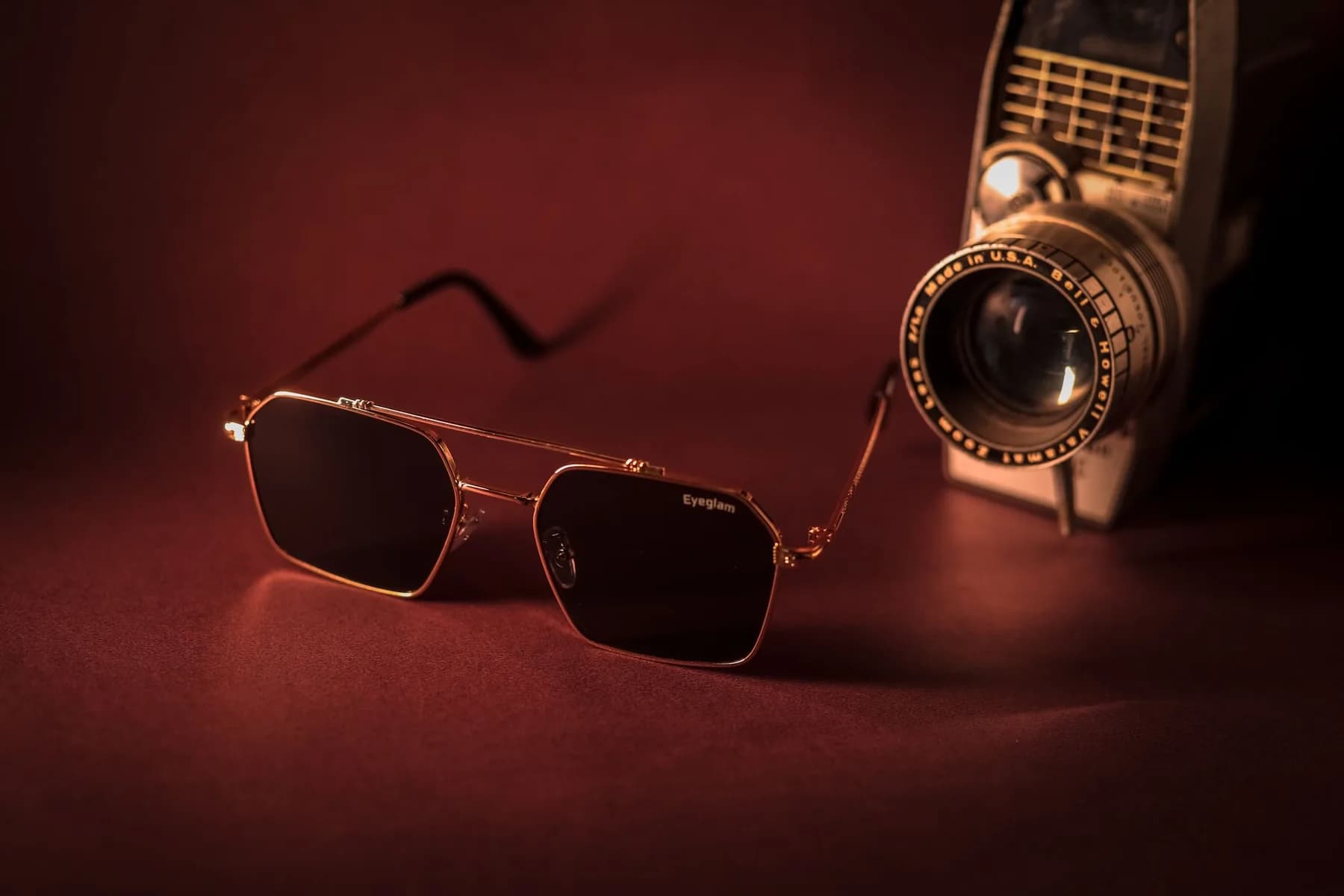
We usually pick sunglasses by shape and color and forget an equally important question: what is the frame made of? The frame material decides its weight on your nose and ears, how long it lasts before it wears out, how it behaves with sweat and summer heat, and whether it suits sensitive skin. A pretty frame in a poor material loses its shine fast, while a simple frame in a good material can stay with you for years. This guide breaks down the most common materials and when each one wins.
Why frame material matters at all
Material isn't a cosmetic detail; it shapes your daily experience with the frame. Weight affects comfort over long wear, and flexibility decides whether the frame snaps in a fall or springs back. Durability means a longer life, and adjustability means an optician can fine-tune it to your face. In Saudi weather two factors stand out: tolerance to high heat — especially if you leave the frame in a closed car — and how the material reacts to sweat, which can corrode some cheap metals or irritate sensitive skin.
Acetate: style and rich color
Acetate is a plant-based plastic and the most common material in stylish modern frames. It stands out for its rich color, its layered and transparent patterns that are hard to match in other materials, its solid durability, and a warm, comfortable feel. Being metal-free, it's gentle on sensitive skin, and an optician can warm it to adjust it to your face. Its downsides: it's a little heavier than nylon plastics, its joints can loosen over years and heat, and it needs care in storage away from direct heat.
Metal: thin and classic
Metal frames (stainless steel or other alloys) are thin, elegant, and classic, and often come with adjustable nose pads for better grip. But watch two things: some cheap alloys contain nickel, which can trigger a skin reaction in some people, and metal conducts heat, so it gets hot under the sun compared with plastic. A thin metal frame can also bend if handled roughly. If you love the metal look but have sensitive skin, titanium — coming up next — is an excellent alternative.
TR90 and nylon plastics: light and flexible
TR90 is a lightweight, remarkably flexible thermoplastic nylon; it bends under pressure and springs back instead of snapping. That makes it ideal for sports, outdoor activity, kids, and anyone wanting a frame that survives rough daily use. It resists sweat and heat well, and its lightness makes it barely noticeable on the face. Its downside: it offers fewer luxury finishes than acetate, and it's harder to heat-adjust because it isn't molded with heat the way acetate is.
Titanium: the lightest and strongest
Titanium is a premium option that combines rarely paired strengths: exceptional lightness, high strength that resists bending, and corrosion resistance that makes it ideal with sweat and humidity. Being nickel-free, it's very gentle on sensitive skin. In practice it's one of the best materials for long-term wear and for anyone wanting a frame that lasts years without losing its shape. Its main downside is the higher price, but it's often an investment worth making if you wear your glasses every day.
Which to choose for your use
- For everyday style and rich color: acetate is the best.
- For sports, kids, and rough use: light, flexible TR90.
- For a thin classic look: metal, or titanium if you want the best.
- For sensitive or nickel-allergic skin: titanium or acetate, and avoid cheap metals.
- For long-term wear and a frame that lasts: titanium leads, despite the price.
Whatever the material, remember that no frame loves high heat; leaving your glasses in a closed car under the summer sun can warp any material over time, though TR90 and titanium tolerate it better than most. Keep your glasses in their hard case when not in use, and they'll last longer regardless of material.
Bottom line: the frame material matters as much as its shape and size. Choose the material that fits your lifestyle, skin, and climate, then pair it with fully UV400-protective lenses and a frame that sits comfortably on your face, for eyewear that combines style, comfort, and a long life.
Frequently asked
What's the lightest frame material?+
Titanium and TR90 are the lightest. Titanium pairs lightness with strength and corrosion resistance, while TR90 is very light and flexible — great for sports and kids.
Can a metal frame irritate the skin?+
It can if it contains nickel, which some skin reacts to. If you notice redness around the nose or ears, try nickel-free titanium or acetate.
Is acetate better than ordinary plastic?+
Usually yes. Acetate is a higher-grade, plant-based material that's sturdier, with deeper, more lasting color than cheap injection-molded plastic, which fades and cracks sooner.
Which material handles summer car heat best?+
No material loves high heat, but TR90 and titanium tolerate it best. Better still, don't leave glasses in a closed car under the sun, and keep them in their hard case.